
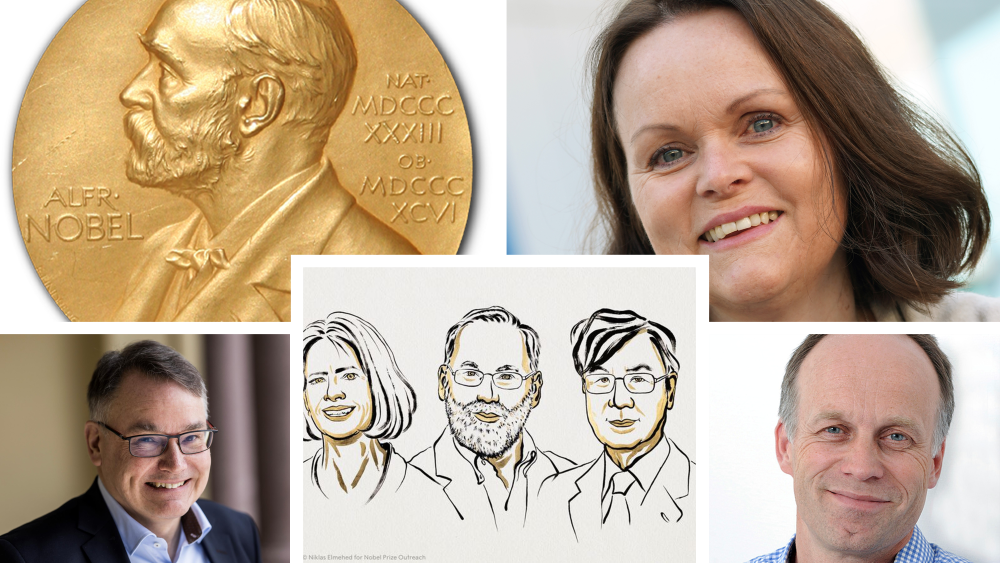
The 2025 Nobel Prize in Physiology or Medicine has been awarded to Mary Brunkow, Fred Ramsdell, and Shimon Sakaguchi for groundbreaking discoveries on regulatory T cells that prevent the body’s defense system from attacking its own tissues.
Their research revealed how these “immune brakes” maintain tolerance and prevent autoimmune diseases. Sakaguchi identified regulatory T cells, while Brunkow and Ramsdell linked mutations in the FoxP3 gene to severe immune disorders. These findings opened new avenues for treating autoimmune diseases, allergies, and cancer.
Today, early-stage clinical trials are exploring therapies that boost or inhibit regulatory T cells to restore immune balance or enhance cancer immunotherapy. Although no approved drugs exist yet, major breakthroughs are expected in the coming years.
Read the full commentary in Aftenposten (Norwegian only)